

As the year draws to a close, reflecting on experiences of trauma, violence, and loss can help us understand how they shape our lives. This reflection is not therapy, but an opportunity to explore patterns, insights, and resilience.
Blog tagged as Resilience

Healing from trauma, grief, or emotional overwhelm rarely follows a straight path. Understanding the non-linear nature of recovery, with progress, setbacks, and plateaus, can help you approach your journey with patience, self-compassion, and clarity.

Coping with overwhelming emotions can feel confusing, especially after trauma or loss. Learning to move from avoidance to active emotional regulation helps you feel more grounded, resilient, and in control of your emotional life.

Emotional abuse doesn’t always leave visible scars, but its effects can quietly shape how we see ourselves, connect with others, and move through the world. Understanding these long-term impacts can help survivors make sense of their experiences and begin to reclaim their sense of self.

Survivorship guilt is a deeply human response to living through something others did not. This post explores what survivorship guilt is, why it happens, and how to understand it with compassion rather than shame.

Communities impacted by collective violence, whether through war, terrorism, mass shootings, or systemic oppression, carry wounds that go beyond individual grief. This post explores how communities recover together, why collective healing matters, and what steps support long-term resilience.

Trauma can leave you feeling like a stranger to yourself, as though the person you once were has been erased or shattered. This post explores why identity loss happens after trauma, how it shows up in daily life, and what rebuilding a sense of self can look like.

Childhood trauma doesn’t simply stay in the past—it can quietly shape how we think, feel, and connect in adulthood. Understanding these patterns can bring clarity, compassion, and new ways of moving forward.

Secondary trauma happens when caring for or supporting someone else’s pain begins to weigh heavily on us. Learning how to recognize it and care for ourselves helps us remain present, compassionate, and resilient.
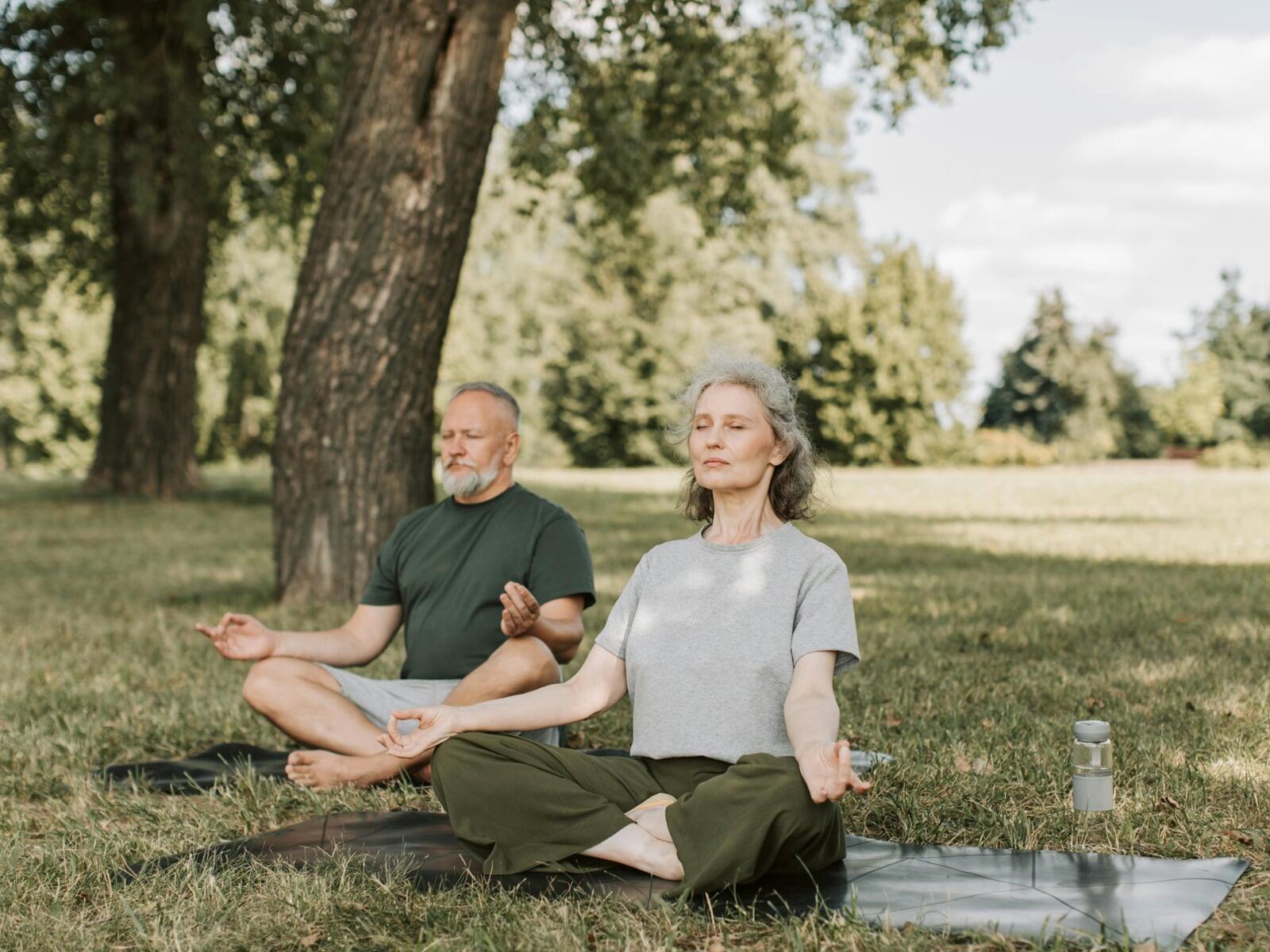
Grounding techniques are simple, practical tools that help bring your mind and body back to the present moment. They can be especially useful when stress, anxiety, or overwhelming emotions begin to take over.
