

Holidays and celebrations can stir deep emotions for those experiencing loss. Understanding grief, setting gentle boundaries, and finding personal rituals can help navigate this challenging time with compassion and self-awareness.
Blog tagged as Navigating Grief

Trauma can leave you feeling like a stranger to yourself, as though the person you once were has been erased or shattered. This post explores why identity loss happens after trauma, how it shows up in daily life, and what rebuilding a sense of self can look like.

Grief doesn’t just live in the mind or heart, it can show up in the body. From fatigue and tension to appetite changes, physical symptoms of loss are part of how humans carry and process sorrow.
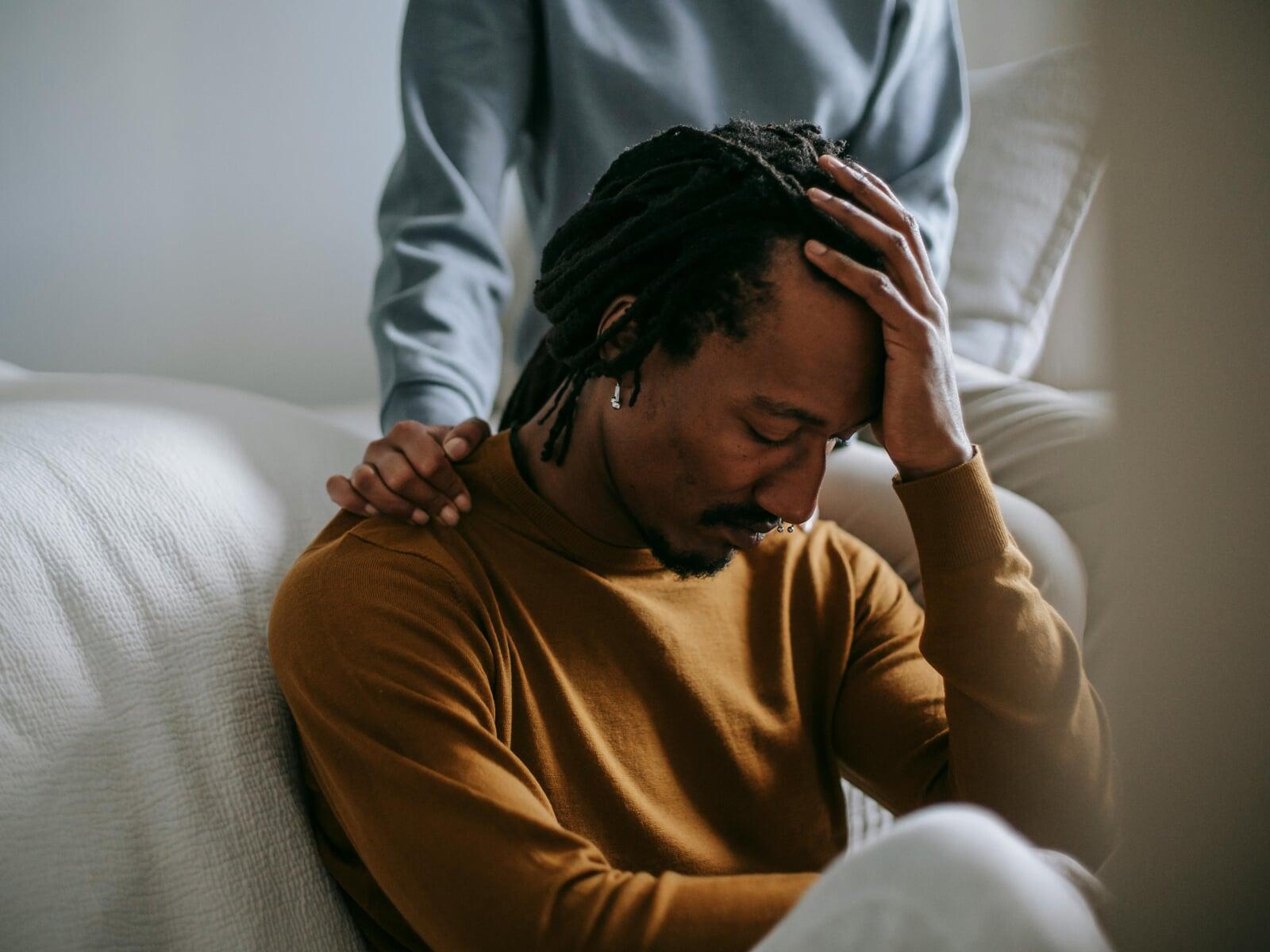
Cultural stigma around grief and violence can silence pain, isolate survivors, and shape how communities respond to loss and trauma. Understanding these hidden pressures helps us see why healing often requires both personal reflection and collective change.

Loss takes many forms beyond death, including endings of relationships, changes in health or work, and unmet life expectations—each shaping our experience and deserving understanding and compassion.

Grief feels like a rollercoaster—especially with trauma. Discover why it happens and how understanding your grief can gently support healing.
