
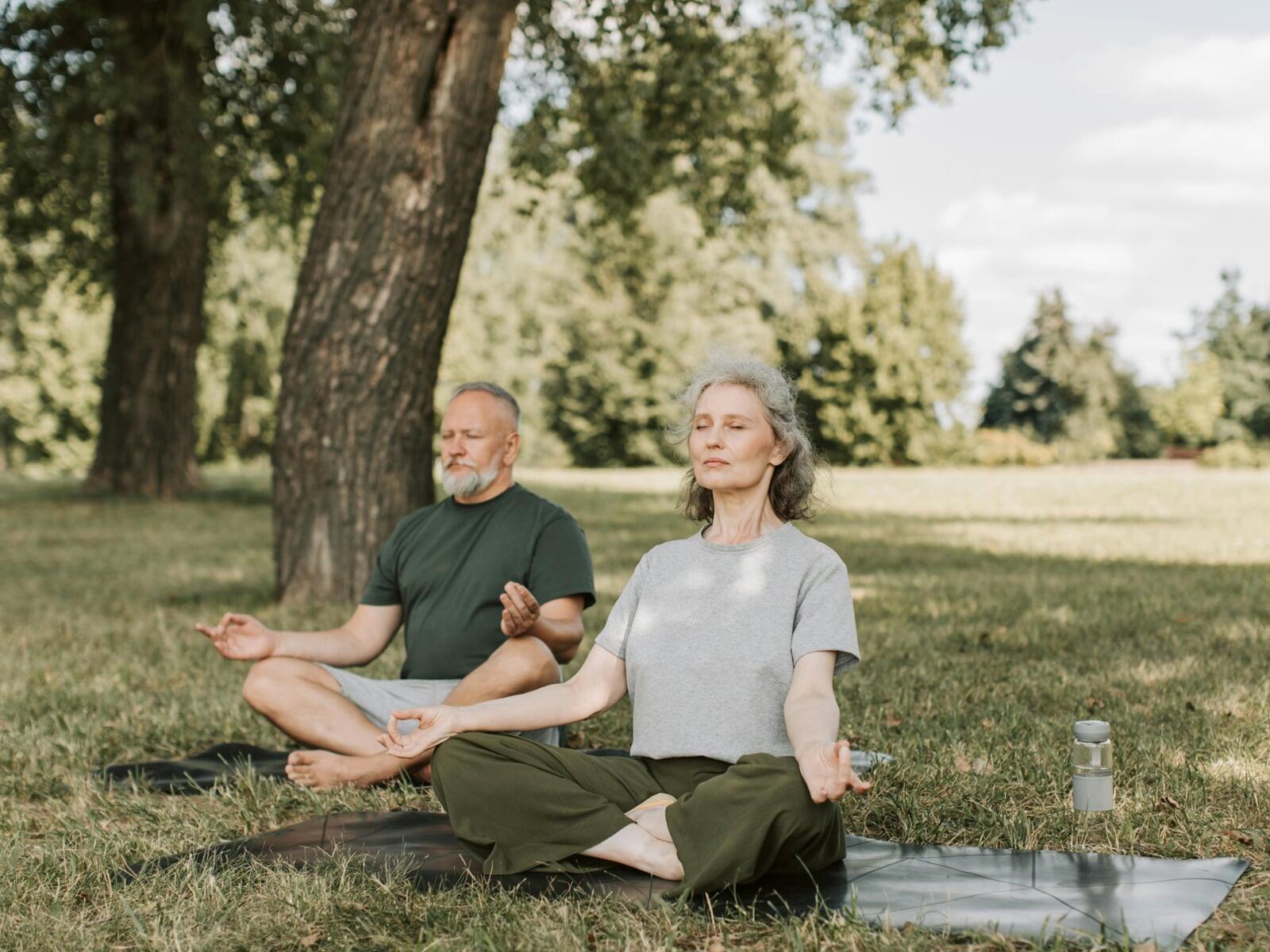
When Stress Pulls You Out of the Present
Stress has a way of carrying us out of ourselves. You might notice your thoughts racing, your heart pounding, or a heavy sense of being “elsewhere” rather than here. For some, this can feel like floating outside the body; for others, it’s more like being trapped in a cycle of worry or fear.
Grounding techniques are small but powerful ways of anchoring yourself back into the present moment. Think of them as the mental and emotional equivalent of putting your feet firmly on the ground after feeling swept away.
Before we continue: this post is for education and reflection only. It’s not a form of therapy or a replacement for professional support.
What Are Grounding Techniques?
Grounding techniques are strategies that help shift your focus away from overwhelming thoughts or sensations and bring you into the “here and now.” They can calm the nervous system and create a sense of stability when life feels chaotic.
These techniques don’t erase stress, but they can give your body and mind a pause — a moment of steadying, like holding onto the railing while the train jolts forward.
Grounding usually works through:
The senses: engaging sight, sound, touch, taste, or smell to root yourself in the moment.
The body: using breath, movement, or posture to feel more connected.
The mind: redirecting attention to something concrete, simple, and present.
Everyday Grounding Tools You Can Try
Grounding doesn’t require special equipment or long stretches of time. These tools can be woven into daily life — during a stressful workday, while navigating grief, or in moments of emotional overwhelm.
1. The 5-4-3-2-1 Method
This classic grounding exercise uses your senses to orient you:
5 things you see
4 things you feel
3 things you hear
2 things you smell
1 thing you taste
It can be surprisingly powerful to simply notice: the color of the walls, the feeling of your shirt, the hum of an appliance, the faint scent of soap on your hands.
2. Temperature Shifts
A splash of cool water on your face, holding an ice cube, or wrapping yourself in a warm blanket can help jolt your body into the present. Our nervous system responds quickly to changes in temperature, making this a reliable grounding tool.
3. Grounding Objects
Carrying a small, textured item — a smooth stone, a keychain, or a piece of fabric — can act as a touchstone. When stress rises, simply holding or rubbing the object can remind you that you’re here and safe.
4. Counting and Naming
Numbers and naming can help focus a busy mind. Try:
Counting backward from 100 by sevens.
Naming all the cities you’ve visited.
Reciting the alphabet slowly, out loud.
These small cognitive tasks gently redirect your thoughts away from spirals of worry.
5. Movement and Breath
Simple movements — standing up and stretching, pressing your feet into the floor, or taking three deliberate breaths — can help anchor your awareness in your body. Even walking slowly and noticing each step can be grounding.
Why Grounding Works
Think of stress like a storm. When you’re caught in it, it’s easy to feel tossed around by wind and rain. Grounding doesn’t stop the storm, but it helps you plant your feet on solid ground until it passes.
On a biological level, grounding techniques can calm the fight-or-flight response by signaling to your nervous system that you are safe in this moment. On an emotional level, they give you a sense of agency — a reminder that even when life feels chaotic, you still have small, steadying tools within reach.
Bringing Grounding Into Your Life
You don’t have to wait for a crisis to use grounding techniques. In fact, practicing them regularly can make them easier to call on when stress spikes. You might try:
Beginning the day with three grounding breaths.
Keeping a grounding object in your pocket or bag.
Pausing mid-afternoon to notice your surroundings with the 5-4-3-2-1 method.
Each time you practice, you strengthen the habit of returning to yourself.
Closing Reflection
Stress, grief, and overwhelm are part of being human. But you are not powerless in the face of them. Grounding techniques are not about perfection or escape — they are about presence. They offer a way to steady yourself, to feel the ground beneath you, and to remember: even in difficult moments, you have tools to return home to your body and your breath.