
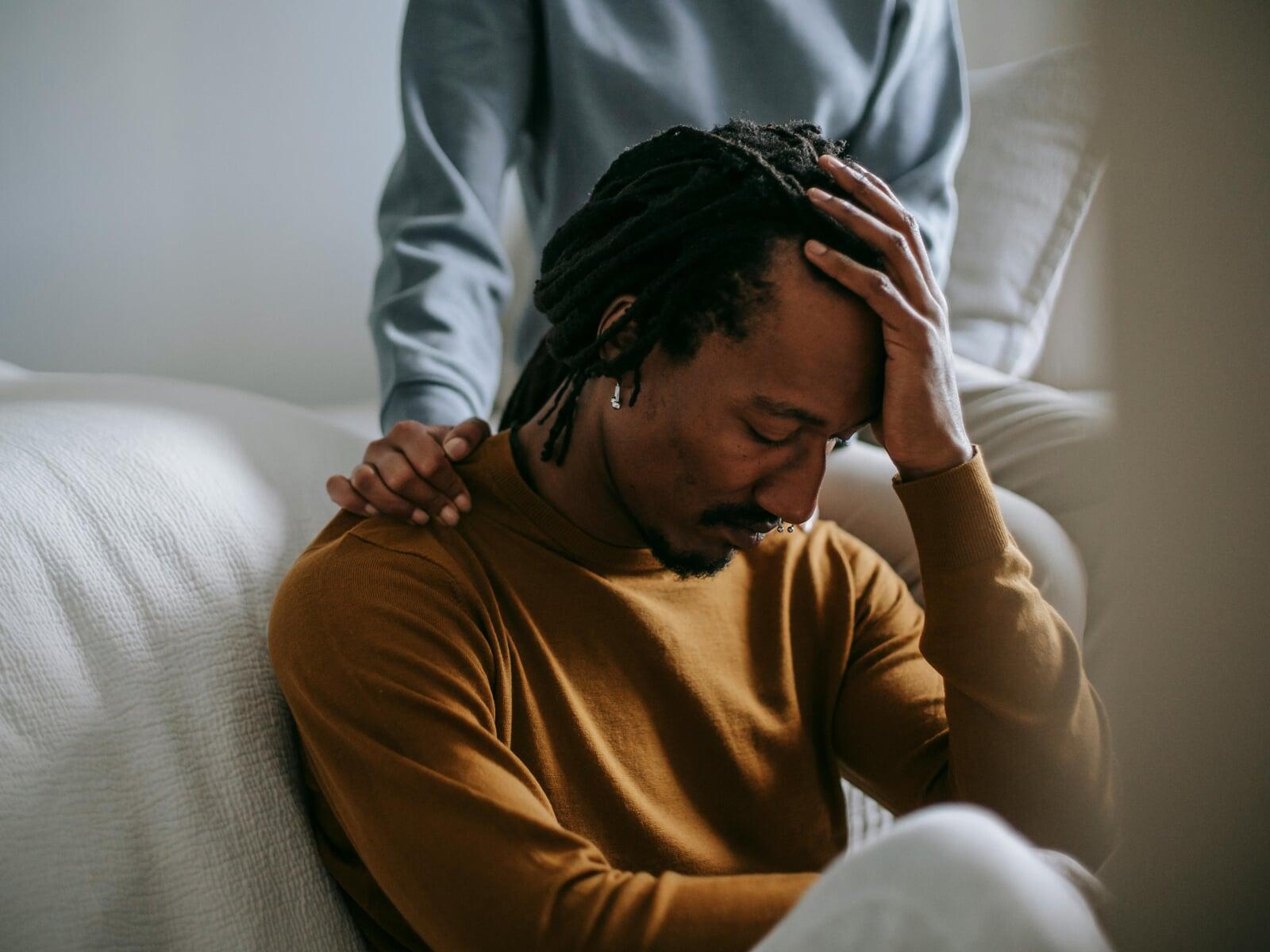
When Grief and Violence Are Silenced
Grief and violence are not just personal experiences; they are also cultural ones. How we mourn, how we talk about harm, and whether we feel safe naming our pain are deeply influenced by the society we live in.
Yet in many places, grief is something people are expected to “get over quickly,” while violence is something whispered about, denied, or even excused. These unspoken rules create stigma—an invisible barrier that tells people to stay quiet, even when silence deepens their suffering.
You may have felt this yourself: the sense that your grief was “too much” for others, or that speaking openly about a violent experience might invite judgment rather than support. These reactions aren’t just individual—they’re cultural patterns that affect countless lives.
(Note: This article is for educational purposes only. It is not therapy or a substitute for professional care.)
The Weight of Cultural Expectations
Think of culture as an unwritten script. It tells us what emotions are acceptable to display, how long we’re allowed to mourn, and whether violence should be hidden, excused, or confronted.
In some families, tears are seen as weakness; strength means carrying on as if nothing happened.
In certain communities, discussing domestic violence is discouraged because it might “bring shame” to the family.
For men in particular, cultural expectations often demand silence around grief—anger may be allowed, but vulnerability is not.
These scripts shape not just what we show others, but what we allow ourselves to feel. Over time, people may begin to doubt their own emotions: Am I grieving wrong? Did what happened to me really matter if no one else acknowledges it?
How Stigma Shapes Healing
Cultural stigma does more than silence; it changes the path of recovery.
Isolation – When survivors of violence feel they must keep quiet, they lose out on the comfort of shared acknowledgment. Similarly, grieving people may hide their sadness for fear of being “a burden.”
Delayed Healing – Stigma often pushes people to suppress emotions instead of processing them. But unexpressed grief or unspoken trauma doesn’t disappear—it often resurfaces later, sometimes in physical stress, anxiety, or emotional numbness.
Generational Impact – Silence can become a legacy. Children who grow up in cultures where grief or violence is never named may internalize the same silence, making it harder to break cycles of harm or emotional disconnection.
A useful metaphor is a locked box. Stigma teaches people to store their grief or trauma in that box, tightly sealed, hoping it won’t spill over. But over time, the box becomes heavier, harder to carry, and eventually, it demands to be opened.
Rethinking Strength and Support
Challenging cultural stigma doesn’t mean abandoning tradition; it means re-examining the parts of culture that keep people in pain. True strength is not silence—it’s the courage to make space for truth.
Communities can begin to shift stigma by:
Naming Loss Openly – Allowing people to speak their grief without rushing them toward “closure.”
Breaking the Silence on Violence – Talking about harm in ways that support survivors rather than protect reputations.
Expanding Definitions of Strength – Recognizing that resilience can mean tears, tenderness, and honesty—not just endurance.
An example: Some cultures have begun creating “grief circles” or public rituals where mourning is collective, not hidden. These spaces counteract the message that grief should be private or short-lived. Similarly, survivor-led initiatives around domestic violence or community violence have reframed silence as complicity—and speech as solidarity.
A Closing Reflection
Cultural stigma around grief and violence is powerful, but it is not permanent. Each time someone names their loss, each time a survivor refuses to stay silent, the cultural script changes just a little.
If you have ever felt that your grief was unwelcome or your story of violence unsafe to share, know this: your experience matters, even if others cannot yet see it. Healing often begins in small acts of defiance against silence—speaking to a trusted friend, writing down your story, or simply admitting to yourself, Yes, this happened, and it mattered.
Cultures evolve when individuals dare to honor truth over stigma. In that way, every voice that breaks the silence becomes a step toward collective healing.